






An interior can communicate through more than its function. Art, materials, color, and spatial storytelling can give it a distinct identity. The selected projects above introduce my approach; the guide below explores the connections between corporate art, cultural spaces, hospitality, and theatrical imagination.
Corporate Art & Interior Design in New York and New England
I’m Vladimir Shpitalnik, a Connecticut-based artist, theater designer, and educator. My creative practice moves between visual art and the design of environments, with a continuing interest in how a place tells a story. The corporate interior art portfolio includes installations, hospitality settings, cultural spaces, and workplace-related projects. It is a useful introduction for people exploring an art commission in Massachusetts, Rhode Island, New Jersey, or New York. For a company or cultural organization in New York City, also known as NYC, a distinctive interior starts with questions about identity, atmosphere, and use. My work does not separate imagination from the physical setting in which it is encountered. Whether the subject is a large installation or a smaller visual intervention, the aim is a relationship between artwork and environment. This page describes documented examples and offers questions to consider before beginning a new conversation about your own space.
Subculture, New York City: Cultural Layers
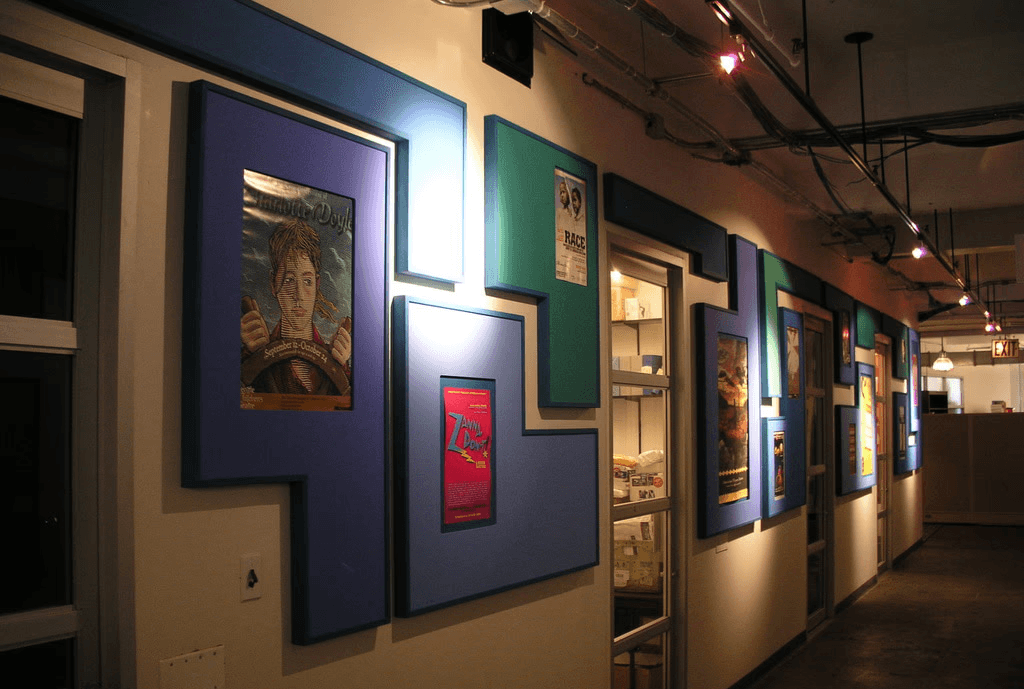
Cultural Layers is identified in my portfolio as a thirty-five-foot work for Subculture in New York. The gallery also includes photographs captioned Bar, Subculture, New York City, and other views of Subculture. Together, these images allow visitors to consider an individual installation alongside the interior in which it is experienced. Scale matters here: a work that extends through a space can be understood differently from one seen at eye level in a single glance. Material, surface, rhythm, and viewing position become part of the composition. If you are researching corporate art in NYC, this project provides a concrete New York reference rather than a generic regional claim. It also offers a starting point for discussing what kind of presence an artwork should have. A dramatic focal point, a sequence of discoveries, and a quieter background relationship are different artistic possibilities, each requiring attention to the particular environment.
Toyota Oakdale Theater and Madison Art Cinemas
Toyota Oakdale Theater and Madison Art Cinemas are represented in the corporate interior art gallery. Oakdale Theater is also listed under “I’ve worked with” on my home page. These references connect my interest in interiors with places where audiences gather around performance and film. Such settings make the relationship between an entrance, a gathering area, and the main event especially interesting. People experience a venue before a performance begins, and the visual character of a space contributes to that experience. A photograph can suggest how color, materials, and architectural details establish an atmosphere without explaining every practical decision behind the project. For a new cultural interior, it is therefore helpful to discuss how visitors arrive, wait, meet, and move through the building. Existing portfolio work can be a reference for that conversation, but it should not be treated as a ready-made design to transfer unchanged to another venue.
Metinteractive and Theater Communications Group
Metinteractive appears among the organizations named in “I’ve worked with.” Theater Communications Group, or TCG, appears in captions within the corporate interior art portfolio. These names belong to the broader professional context shown on the website, rather than a promise of a particular type of service or an endorsement. They also indicate why a multidisciplinary portfolio can be useful when considering art for an organizational setting. An artwork may need to be understood in relation to a company’s activities, the character of its workplace, and the people who use it. Sometimes the important question is what the space should express; sometimes it is how an existing visual identity might be interpreted artistically. For an inquiry, it helps to identify the relevant portfolio image and explain what interests you about it. That keeps the discussion grounded in actual work rather than broad labels such as contemporary, creative, or bespoke.
Mindtrust, New Haven: Artwork and Workplace Character
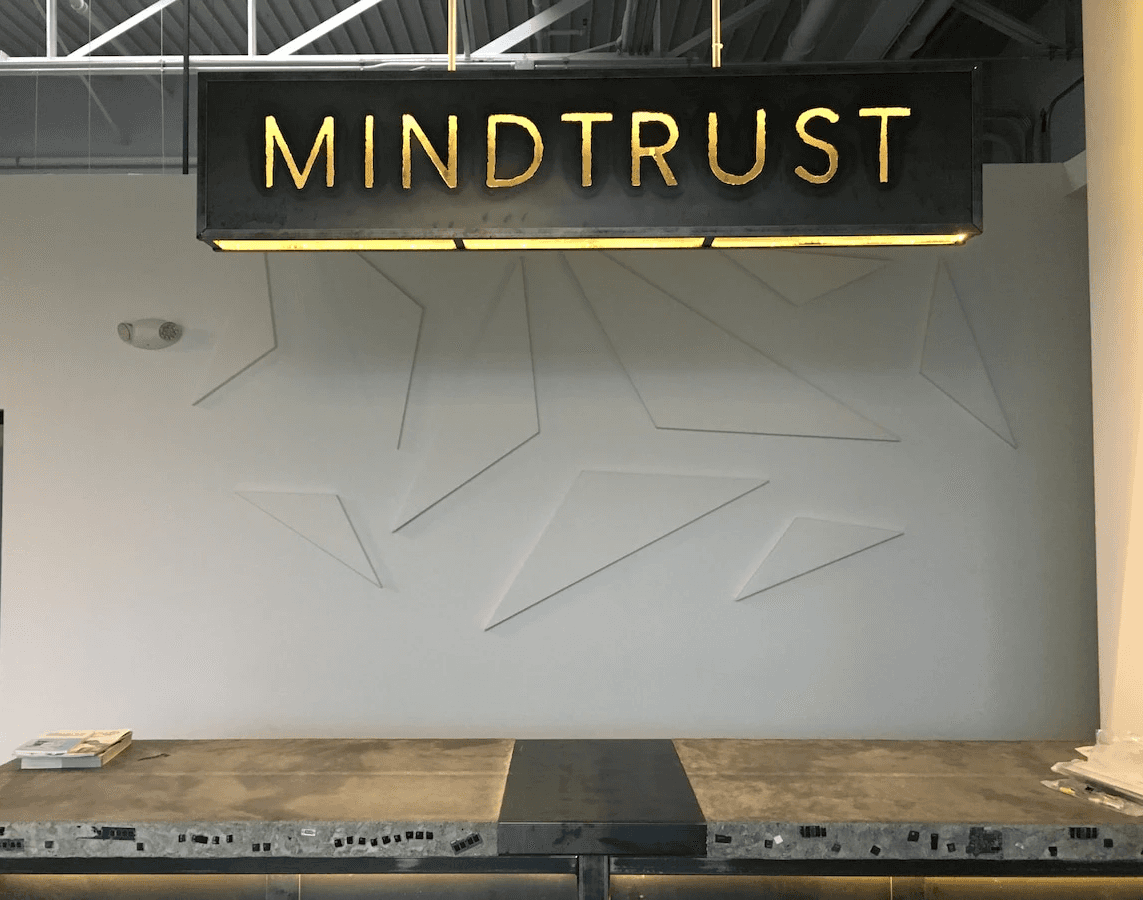
The gallery includes Mindtrust in New Haven and a table captioned Table: Mindtrust, New Haven. These entries broaden the conversation about corporate art beyond framed pictures on a wall. An object can contribute to the character of a workplace through its form, material, and relationship to the room. A table, an installation, or an architectural feature may be encountered through use as well as observation. That makes it valuable to consider how art and daily activity meet. For a business planning an interior in Massachusetts or Rhode Island, the portfolio can help distinguish between an independent artwork and an element that is closely tied to the space. For a workplace in New Jersey or New York, the same distinction can clarify the initial brief. The next step is not to choose a medium immediately, but to explain the environment, who uses it, and the role that an artistic contribution might play.
Hospitality References: Juno and Sitar
Juno, a Japanese restaurant in Louisville, and Sitar Restaurant in New Haven appear in the corporate interior art portfolio. These existing location captions are important: they identify the work accurately without moving it into a different city for the sake of regional search. Hospitality environments invite attention to how a place feels as people enter, sit, gather, and look around. The artistic relationship may involve an installation, an object, a visual motif, or the composition of an interior. My theatrical perspective encourages me to think about how these elements perform together. A new restaurant or hospitality inquiry in New York City would need its own discussion of character and context; an existing Louisville project is a reference, not a template. Sharing photographs of the proposed space, the intended atmosphere, and examples from the gallery can make that discussion more specific and help establish whether the artistic direction is appropriate.
Massachusetts and Rhode Island: Start with the Space
If you are looking for corporate art in Massachusetts or considering an interior art project in Rhode Island, begin with the actual setting rather than a list of keywords. A reception area, an office meeting room, a performance venue, and a restaurant serve different purposes. Their audiences, lighting conditions, and viewing distances also differ. I am based in Connecticut, and inquiries from neighboring states provide an opportunity to discuss whether a project suits my practice and how a collaboration might be approached. The website does not claim a local office or a completed commission in every region. A useful message can describe what is already established and what remains open: the space itself, the organization’s goals, any images that communicate the desired atmosphere, and the approximate scope. This information helps separate an artistic question from assumptions about a complete interior design or construction service that may not be relevant to the proposal.
New Jersey, New York and NYC: A Regional Inquiry
A search for corporate art in New Jersey, interior art in New York, or an artist for a New York City environment may begin online, but a successful conversation becomes site-specific quickly. NYC is not a single visual context, and neither are the surrounding states. A cultural organization may have different aims from a workplace or a hospitality venue, even when their addresses are nearby. My documented Subculture work provides one New York City reference within a much wider portfolio. Other examples show different relationships between object, image, and environment. When making an inquiry, please identify the city and the actual setting, rather than assuming that geographic proximity determines the artistic approach. Details about access, the stage of the project, the people involved in decisions, and any existing architectural plans can help define the conversation. Practical commitments, availability, and project responsibilities need to be agreed directly for the particular work.
Yale University, Theater Training and Visual Storytelling
My biography describes an MFA in Set and Costume Design from the Yale School of Drama and studies at the Moscow Art Theater. Yale University, Yale Cabaret, Joffrey Ballet, and Moscow Art Theatre School are also among the names displayed in “I’ve worked with.” These references help explain the theatrical lens through which I approach visual art and environments. They are not a list of corporate interior clients. My earlier studies in ceramics at the Abramtsevo Art School are another part of this background, connecting an interest in form with an exploratory use of materials. Across media, I see an opportunity to create scenes, settings, and stories for an audience. For an interior commission, this perspective can guide a conversation about what the space should communicate. The questions remain practical as well as imaginative: what will people encounter first, what rewards a closer look, and what connects the work to its setting?
Begin a Corporate Art or Interior Art Conversation
Please use the contact form to introduce your organization and the space you have in mind. Include the project location, photographs or plans if available, and a short explanation of what you hope an artistic contribution will bring. A tentative schedule and budget range can make an initial discussion more focused. You can reference Cultural Layers, Mindtrust, the theater and cinema interiors, or another work in the portfolio to explain your interests. It is equally useful to say what you do not want: an artwork that dominates a room, for example, or a visual language that feels disconnected from the organization. Whether the inquiry concerns Massachusetts, Rhode Island, New Jersey, New York, or NYC, the starting point is the same: a clear conversation about artistic fit. The scope, materials, responsibilities, and practical arrangements can then be considered in relation to that specific proposal rather than assumed from a photograph.